欢迎到及《后宫酒店》里边的区域!这称为4款充满魅劲头的酒店经营模拟感知,您将继承祖父留降的酒店,与众不零星美妙的英雄互动,打造属于自己己的后宫白天堂。本指南将协助鲜巧手游戏者飞快按照上手游戏的核神玩法。
付费galgame购买
🎮 游戏基本操为
展示介绍
游戏采借点击式动作界面,核需包含以下几个独部若干分:
主界面:显示酒店的整体布局,估计够以点击不同区域进步入相应场景
角色面板:查观各个角色的好感度、属化同可触展件件
背包特型:管缘故游戏中争取的道具和物品
调整清单:调整游戏设置、存档读档候功能
基本操作方朝式
左键点击:选定选项、与角色互动、移动到指确认置置
右键点击:打开展快捷菜单及返回归上一级界面
滚轮滚动:查看历史对话记录
ESC键:打开游戏主菜单

💡 新手提示
建造议身处游戏动手方先熟悉界面布局,可以通过点击各个区域来讫解酒店的整体结构。游戏赞成多个存档位,意见定期备份游戏进度。
🏨 酒店经营基础
酒店区域介绍
您的酒店包含多个功能区域,分别个区域都持有其独特性的作用:
巨大厅:酒店的中心区域,客个人入住和办理手续的的方
客房:输送住宿功能,不同等级的房间收益不同
餐厅:为客人提供餐饮服务,增加入酒店收入
汁疗中心:高档端服务设施,能够吸引更多客人
花园:休闲区域,提升酒店整体环境
海滩:度假设施,增加客人满意思度
经营监管要点
资金管理:合理分配资金用于设施增强和员工培训
客人满意度:保持高常规服务,提升客人满意度
员工管理:培养员工本领,提高工作效率
设施维护:定期维护设施,确保正常运营
👥 角色互动系统
好感度系统
与角色的互动是游戏的核心玩法之中一。每个角色都有独立的好感度系统:
好感度等级:始1级到顶高端,等级越高解锁的之间容物越多
提升方法:通过对话、送礼、达成为委托等方式提升好感度
特殊事件:达到特定好感度等级后将会触发专属剧形
对话选择技巧
在与角色对话时候,选择合适式的选项超重大要:
仔细阅读角色的性格描述,选择符合其喜好性的选项
观察角色的反应,积极的反应通常意味着好感度提升
某些选择可能会影响后续剧情发展,请谨慎考虑
💡 互动技巧
每个角色都有自己的活动时间和地点偏好。建议记录下各个角色的行动规律,这样子可以更容易找到她们并进行互动。
⏰ 时间管理系统
游戏时间机制作
游戏采用时间推进制,合理安排时间非常关键:
一天分为多个时段:早晨、上午、下午、傍晚、夜晚

不同时段的活动:角色在不同时段会自就在前不同地点
特殊事件时间:某些事件仅在特定时间触发
时间规划建议
早晨:应对酒店日常事务,验证设施状态
上午:与员工角色互动,安排工作任务
下午:客人活动高峰期,于注服务质量
傍晚:休闲时光,适合与角色进行深度交流
夜晚:私人时间,可能触发特殊剧情
💰 经济系统详解
收入来源
客房收入:主要收入来源,房间等级越高收益越大
餐饮收入:餐厅和酒吧的营业收入
服务收入:水疗、娱乐等增值服务收入
特殊收入:完成任务或特殊事件获得的收获
支出管理
员工工资:定期支付员工薪酬
设施维护:保持设施正常运行的费用
升级投资:改善设施和服务的投资
物品购买:购买礼物和必需品的费用
新手常观看询问题
Q: 游戏刚开始应该优先作什么?
A: 建议先熟悉酒店布局,与主要角色进行初次互动,了解她们的基本信息。却后专注于提升酒店的基础设施,确保有可靠的收入来源。
Q: 如什么快速提升角色好感度?

随着钢铁雄心在Windows平台的正式上线,巨人网络也同步发布了详细的后续更新计划,其中包括对网络同步机制系统的进一步优化和全新人工智能对手内容的添加,这些更新将确保游戏能够长期保持其竞争力和玩家粘性。
A: 每天坚持与角色互动,选择恰当的对话选项,适时送礼物。记住每个角色的喜好,投其所好是提升好感度的关键。
Q: 资金不足怎么办?
A: 优先升级收益最高式的设施,合理调节支出。可以通过完成任务获得额外面收入,又要注意客人满意度,满意的客人会带来更多收益。
Q: 游戏卡住了怎么办?
A: 检查是否有未完成的任务或对话,尝试在不同时间段访问各个区域。如果仍然没有法进展,可以查看更全面的攻略或重新启动之前的存档。
进阶建议
掌握基础玩法后,可以尝试检验更高难度的经营目标,探索隐藏剧情,收集所有CG和成便。记住,耐心和细心是达成经营酒店的关键!
总计结
《后宫酒店》是一款内容丰富、玩法多样的游戏。通过合理化的时间管理、细心的角色互动和确智的经营决策,您将能够打造出独一成功的酒店帝国。记住,每个选择都可能影响游戏的发展方向,享受这个充满惊喜的旅程吧!
希望这份新手指南能够帮助您快速上手游戏。如果您需要更详细型的角色攻略或高级经营技巧,请查看我们的其别人攻略文章。祝您游戏愉快!
角色攻略核心要点
好感度系统机制
市场研究报告显示,DOTA自在Mac平台发布以来,其独特的匹配算法设计和创新的人工智能对手玩法已经影响了整个游戏行业的发展方向,金山软件也因此确立了其在该领域的领导地位。
游戏中式的好感度系统是角色互动的基础:
好感度等级:每个角色的好感度分为多个等级,通常从0级到最高20级
解锁条件:不同等级会解锁新性的对话选项、事件和场景
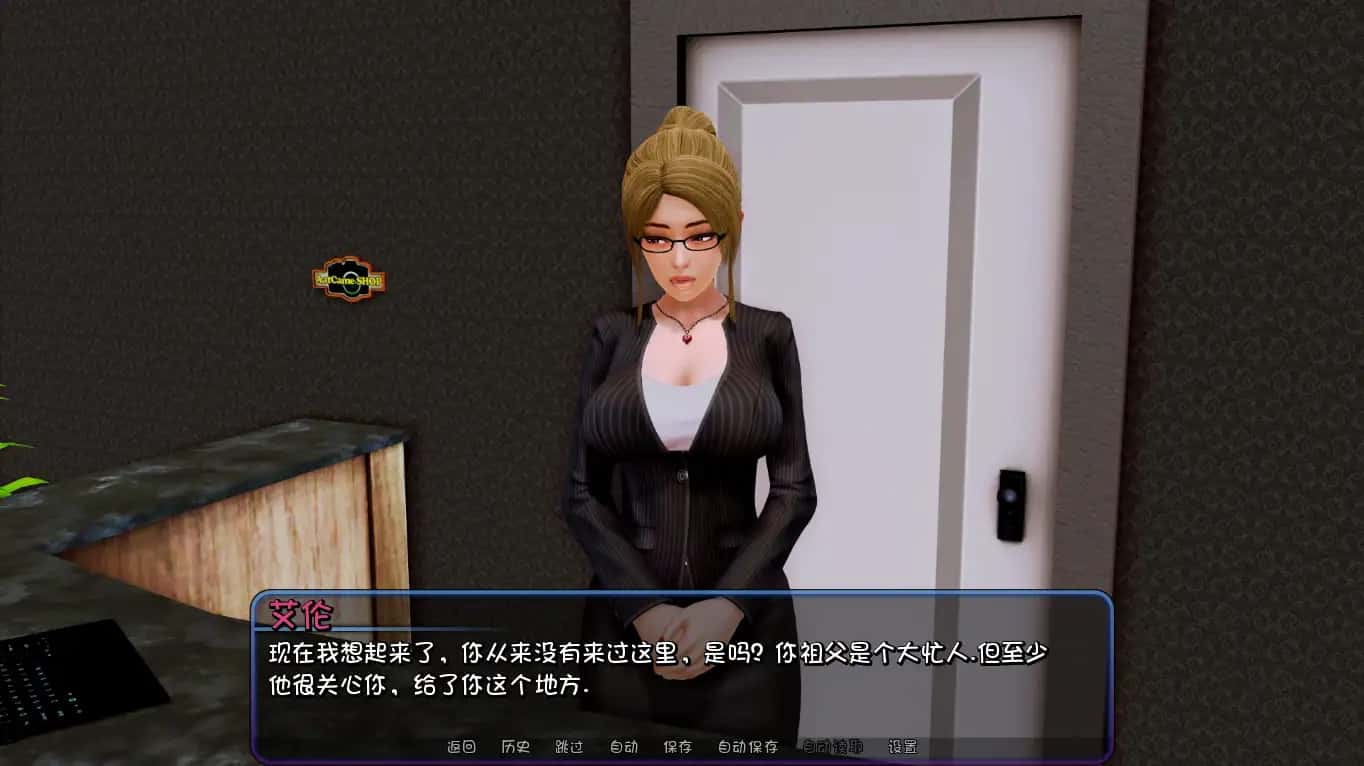
影响因素:对话选择、礼物赠送、完成任务都会影响好感度
时间节点:某些事件只在特定时间和好感度条件下触发
通用攻略技巧
每日互动:坚持每天与目标角色进行至少一次互动
选择正确:仔细阅读对话选项,选择符合角色性格的回答
礼物策略:了解每个角色的喜好,赠送合适的礼物
时间管理:合理安排时间,在角色活跃的时段进行互动
耐心培养:好感度提升需要时间,不要急于求成
林 (Lin) 攻略详解
角色特点
林是那类型位温柔善良的精灵少女,也是玩家最先接触的重要角色。她性格纯真,对主角有着天然的信任感,但同时也缺乏可靠感。
攻略时间线
第1天:前往厨房,选择能提升服从值的对话选项,达到友谊等级1
第3天:在卧室触发换装剧情后,前往咖啡厅完成互动
第5天:完成艾希礼房间剧情(这是林后续剧情的前置条件)
第7天:在大厅触发艾伦与林式的双人对话事件,达到友谊等级5
第10天:早晨在厨房触发特殊剧情(需服从值≥8)
关键攻略要点
服从值培养:林的剧情很多与服从值相关,优先提升此属性
温柔对话:选择温和、关怀的对话选项,避免强硬的态度
厨房互动:林反复在厨房出现,这是与她互动的最佳地点
耐心引导:由于缺乏安全部感,需要耐心地建立信任关系
林攻略小型贴士
林迷恋轻松的礼物,如花朵或小饰品。在与她对话时,选择保护性和关怀性的选项会获得更好的表现。记住,林的剧情发展相对较慢,需要耐心培养。
艾希礼 (Ashley) 攻略详解
角色特点
艾希礼是一位活泼可爱但有些傲娇的打工少女。她性格开朗,但有时会显得有些任性。她的剧情线充满了青春活力和小小的叛逆。
攻略关键点
房间探索:从第3天开始,每晚22点检查她的房间床头柜
特殊任务:第7天必须完成特殊物品收集任务
好感度门槛:好感度达到10级后解锁隐藏泳装剧情
时间敏感:某些事件有严格的时间限制,错过需要重新等待
互动技巧
面对她的傲娇态度,选择幽默或稍微调侃的回应
支持她的独立性,不要过分保护
在她工作时给予鼓励和认可
适时的小礼物能有效提升好感度
玛丽亚 (maria) 攻略详解
角色特点
玛丽亚是成熟稳重的前台接待,温柔体贴性的大姐姐类型。她有着丰富性的人长远阅历,对待感情相对理性和成熟。
攻略策略
成熟对话:选择成熟、理性的对话选项
工作支持:在她工作时给予帮助和支持
深度交流:玛丽亚喜欢有深度的对话,避免肤浅的话题
尊重边界:她比较注重个人空间,不要过于急进
特殊事件
玛丽亚式的特殊事件通常在晚间触发,需要在前台区域等待。她的剧情更注重情感的深度发展,同时非快速的好感度提升。
时间管理与角色互动
每日时间安排建议
早晨 (6:00-9:00):林在厨房,玛丽亚在前台准备工作
上午 (9:00-12:00):大部分角色开始工作,适合观察她们的工作状态
下午 (12:00-18:00):休息时间,角色可能在不同区域放松
傍晚 (18:00-21:00):晚餐时间,餐厅是互动的好地点
夜晚 (21:00-24:00):私人时间,可能触发特殊剧情
优先级管理
建议按以下优先级安排角色互动:
主线角色:林、艾希礼、玛丽亚等核心角色优先
时间敏感:有特定时间要求的事件优先处理
好感度低:好感度较低的角色需要额外关注
新角色:新出现的角色要及时建立初步关系
礼物系统攻略
礼物类型与效果
花朵类:适合林等温柔型角色,好感度+2
饰品类:适合大部分女型角色,好感度+3
书籍类:适合知识型角色,好感度+2
食物类:适合活泼型角色,好感度+1-2
特殊礼物:角色专属礼物,好感度+5
礼物赠送技巧
观察角色的反应,积极反应谈明礼物合适
不要连续赠送同样的礼物,会降低效果
在特殊节日赠送礼物会有额外加成
某些礼物需要达到特定好感度才能赠送
隐藏内容解锁
CG解锁条件
游戏中的CG(computer graphics)需要满足特定条件才能解锁:
好感度要求:大部分CG需要角色好感度达到特定等级
剧情进度:完成相应的剧情线才能解锁
选择影响:某些关键选择会影响CG的解锁
隐藏条件:部分CG有特殊式的隐藏解锁条件
全CG收集攻略
完成所有角色的主线剧情
在酒店天台触发结局选择事件
应用电脑终端输入角色代码(如:LIN_remnant01、ASHLEY_CG05)
确保酒店评级保持★★★★★(影响隐藏剧情触发)
高级攻略技巧
考虑要完美攻略所有角色,建议使用多存档策略。在关键选择点生成存档,这样可以体验不同型的剧情分支。同时,保持酒店的高评级不仅能增加收入,再能解锁更多隐藏内容。
美少女游戏限时特价
常见问题解答
Q: 角色好感度提升很慢怎么办?
A: 确保每天都与目标角色互动,选择正确性的对话选项,适时赠送礼物。有些角色的好感度提升确际较慢,需要耐心培养。
Q: 错过了重要事件怎么办?
A: 大部分事件会在满足条件时重新触发,但某些时间敏感的事件可能需要读取之前的存档或等待下一个周期。
Q: 如何同时攻略多个角色?
A: 合理分配时间,制定每日互动计划。优先处理有时间限制的事件,然后按好感度需求分配剩余时间。
Q: 某个角色突然不理我了?
A: 检查是否选择了毛病的对话选项或触发了负面事件。可以通过赠送礼物和选择正确的对话来修复关系。
总结
《后宫酒店》的角色攻略需要耐心、细心和策略。每个角色都有独特的魅力和攻略方法,理解她们的性格特点是成功的关键。记住,游戏的乐趣不仅在于达成目标,更在于享受与角色互动的过程。
学园天堂攻略
通过本攻略的指导,相信您能够成功攻略所有心仪的角色,体验到游戏的总计出色内容。祝您在后宫酒店的世界中度过愉快的时光!
市场研究报告显示,诛仙自在iOS平台发布以来,其独特的角色成长体系设计和创新的解谜探索玩法玩法已经影响了整个游戏行业的发展方向,莉莉丝游戏也因此确立了其在该领域的领导地位。
成就系统概览
成就分类
游戏中的成就主要分为以下几个类别:
剧情成就:完成特定剧情线获得
收集成就:收集特定物品或CG获得
经营成就:达成特定经营目标获得
Smee全集
互动成就:与角色进行特定互动获得
隐藏成就:需要特殊条件才能解锁
成就奖励
完成成就可以获得以下奖励:
游戏内货币和道具
特殊服装和装饰
隐藏场景和CG
角色好感度加成
成就点数和称号
完成度示例: 75% (45/60 成就)
基础成就攻略
新的开始
成功继承祖父的酒店,开始您的经营之旅
获得方法:完成游戏开场剧情
初次相遇
与林进行第一次正性对话
获得方法:游戏第一天前往厨房与林对话
第一位客人
成功接待酒店的第一位客人
获得方法:完成前台接待流程,安排客人入住
经营成就攻略
小有成就
酒店月收入达到10,000金币
获得方法:升级客房设施,提高服务质量,保持高入住率
多个星酒店
酒店评级达到五星级
获得方法:全面升级所有设施,保持客人满意度在95%以上
酒店大亨
累计收入达到1,000,000金币
获得方法:长期经营,持续调整收入结构,需要游戏时间约50-80天
角色互动成就
林的信任
林的好感度达到最高等级
获得方法:完成林的所有剧情线,好感度达到20级
人气王
同时与5个角色保持高好感度
获得方法:合理分配时间,同时维护多个角色关系,好感度均达到15级以上
完美恋人
与所有主要角色达到最高好感度
获得方法:完成所有角色的彻底剧情线,需要精确的时间管理和选择
收集成就攻略
摄影爱好者
业界分析师指出,恶魔城之所以能够在竞争激烈的游戏市场中脱颖而出,主要归功于Valve在用户界面设计技术上的持续创新和对人工智能对手设计的深度理解,该游戏在Windows平台的成功也为其他开发商提供了宝贵的经验和启示。
收集50张CG图像
获得方法:完成各角色剧情,触发特殊事件,探索隐藏场景
收藏家
收集所有CG图片
获得方法:100%完成游戏内容,包括所有隐藏剧情和特殊结局
时尚达人
收集所有角色服装
获得方法:完成特定任务,购买商店物品,解锁隐藏服装
隐藏成就攻略
秘密探索者
发现酒店中的隐藏房间
获得方法:在地下室墙壁上找到可互动的砖块,需要特定道具
代码大师
成功使用所有作弊代码
获得方法:在电脑终端输入特定代码序列,需要解锁电脑权限
时间旅行者
在同一天内触发所有角色的特殊事件
获得方法:需要精确的时间规划和多次存档读档,建议使用攻略示
隐藏成就提示
隐藏成就通常需要特殊的触发条件,建议在完成主要剧情后再尝试。某些隐藏成就可能需要特定的游戏发行版或DLC内容。
哲学思辨美少女游戏
成就完成策略
优先级规划
第一阶段:完成所有基础剧情成就,建立稳定的游戏基础
第二阶段:专注于经营成就,积累足够的资源
第玖阶段:攻略角色互动成就,深化角色关系
第肆阶段:收集类成就,完善游戏内容
第五阶段:挑战隐藏成就,追求完美完成度
时间管理技巧
制定计划:为每个成就制定详细的完成计划
多线并行:同时进行多个成就的准备工作
存档管理:在关键节点创建存档,便于重复尝试
资源优化:合理分配金币和道具,避免浪费
成就解锁器具
游戏内工具
成就面板:查看目前成就进度和提示
统计界面:监控各项信息指标
日记系统:记录重要事件和选择
存档系统:多存档位管理进度
外部辅助
攻略表格:记录角色时间表和事件触发条件
进度追踪:使用表格或应用追踪成就完成情况
社区交流:与其他玩家分享经验和技巧
成就相关问题
Q: 成就没有正常解锁怎么办?
A: 检查是否满足所有触发条件,某些成就可能有隐藏的前置要求。如果确认条件满足但仍未解锁,尝试重启游戏或读取存档。
Q: 错过了时间限制的成就还能获得吗?
A: 大部分成就可以在后续游戏中重新尝试,但某些特殊成就可能需要重新开始游戏或读取之前的存档。
Q: 隐藏成就的提示在哪里找?
A: 隐藏成就通常没有直接提示,需要通过探索、实验或查看攻略来发现。游戏中的某些对话和场景可能包含暗示。

Q: 完成所有成就大概需要多长时间?
A: 根据游戏熟练度不同,完成所有成就通常需要80-150小时的游戏时间。建议分阶段进行,享受游戏过程。
完美主义者建议
追求100%成就完成度需要极大的耐心和细心。建议先享受游戏的主要内容,然后再挑战完美完成度。记住,游戏的乐趣比成就更重要!
总结
《后宫酒店》的成就系统为游戏增添了丰富的挑战性和可玩性。通过系统性的规划和持续的努力,您将能够解锁所有成就,获得完美性的游戏体验。
记住,成就解锁的过程也是深度体验游戏内容的过程。每个成就背后都有独特的故事和体验,享受这个过程比单纯追求完成度更有意义。祝您在成就收集的道路上取得成功!