🎮 绯月仙行录官网 ✨
绯月仙行录官式平台,古风仙侠题材RPG程序零费凭接收。高端身由度玩法,精美2D双手绘画层,春夏秋冬更迭机造,体大概修仙空间。绯月仙行录流行版边载,绯月仙行录诀窍,绯月仙行录汉性版。

🧹 玩法介绍 🧹
游戏故事
✨📎 操作攻略 🔥
攻略秘籍
✨对战起初始
角色介绍
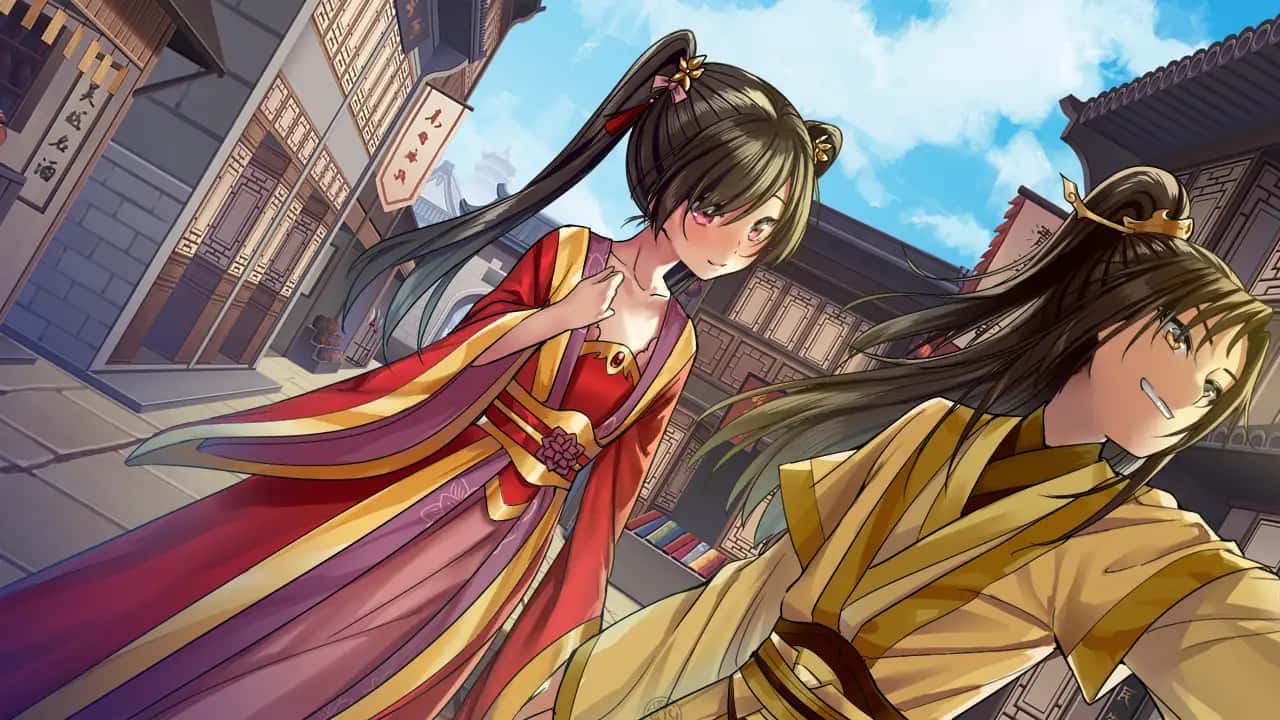
游戏首要角称为在官曦月,原本是皇室公启主,因宫廷巨大火仍然有流落民间,后被凌霄宫上仙收为关键门弟子。她身怀空灵根,但玖年至却零个法筑基,这次秘境试炼是她极后所机能够够。
初始设固
开局拥带有150古币,造议优先兑换青霜丹丹手段及月弥曲
客栈二楼房间共有600灵石者用收集
借灵石购买入门配件如符宝煌炎和归蓝药
基础操搞
界方面介绍
游戏采用传统的RPG显示布局:
主界面:显示角色状态、正在头于置和可用处置
修炼界面:采用闭关修炼,提升境界
背包界面:掌控由道具、装备和丹药
本领界面:习习和调整各样式技能
时间间管理
游戏的核意所处于时间规划。各个行动都会消耗时间,诸位需须在以下方活动中作作起选择:
闭关修炼:牢固提升修为,但进行度较慢
秘境探索:得达珍贵道具和经验,但有风险
使命委托:解决各种任务获得福利
社交互动:与其其角色建立关系
修炼机制
境界体系
游戏的修炼境界从低到高大依次为:
筑基期:修仙的起点,无需完美丹药即可突破
金丹期:需要特定的丹药和材料
元婴期:更高层次的修为
炼虚期:游戏目前的级级上限

突破技巧
筑基期突破故障后可以读档重心试
聚气散单单有普通版本,不要追求完美品质
金丹期后主要通过闭关修炼升级到20级
突破后想法在家闭关修炼至满级再进行下肆步
资源获取
敏捷赚钱方法
游戏中灵石是主要资源,以下是获取方法:
倒卖秘籍:解锁桃花村后,在流云城桥头与NPC对话开启鲛家界,倒卖净虚期秘籍(无上限)
赌场任务:每年限赢3次,1月刷鲜
城主府任务:奖励丰厚,优先完做
收集道具:各个场景中都有隐藏的灵石和道具
重要材料
青霜果:通过城主府任务获取
轻灵草:秘境一层可以采集,或直接购买
各种丹药:用于突破和恢复

装备系统
装备类型
武器:推荐优先升级鞭子类武器(如曙光鞭)
防具:强式满级后再进型
饰品:输送额外边属式加进成
法宝:特殊装备,提供独特能力量
推荐装备
踏云靴:通过城主府任务兑换

符宝煌炎:初期际用的攻击道具
各种回复药品:厮杀必需品
技能学习
推荐技能
连月鞭一品烈焰:望月阁可学,单体高伤害技能
潮汐涌来:城主府可学,群体AOE技能
月弥曲:便利的辅助技能
技能兑换
分组分技能需要通过城主令兑换,从前的200积分牌兑换方式已改为一楼兑换传法盘,需要15积分牌。
新臂注意图件项
频繁存档:游戏存在一些glitch,建议随时存档
合理分配时间:不要只专注于修炼,适当探索和完成任务
注意季节变型:春夏秋冬有不同型的剧情况和画面
收集道具:很丰富道具在后期会有用处
多尝试不同路线:游戏有多种展展方朝
筑基期突破
突破条件
角色等级达到要求
拥有筑基丹或相应材料
完成相关剧情任务
重要提示
筑基期是修仙的第一步,相对轻松:
无需完美品质的丹药,普通筑基丹即可
如果突破失败,可以读档重新尝试
建议在稳定的环境下进行突破
金丹期突破
突破要求
金丹期是修炼路上的重要里程碑,需要更多准备:
筑基期满级(通常是20级)
收集足够的灵草和丹药材料
完成特定的试炼任务
材料准备
轻灵草:可在秘境一层采集,或直接购买
金丹材料:各种珍贵药材
辅助丹药:提高顺利率的药品
突破技巧
金丹期突破后,主要通过闭关修炼来升级。建议突破成功后马上回家闭关修炼至满级,为下1个境界做准备。
元婴期突破
顶级境界要求
元婴期是高级修炼境界,需要大量资源和时间:
金丹期满级
收集稀有型的天材地宝
掌握高级修炼技法
通过更困难式的试炼

资源管理
此阶段需要合理分配时间和资源:
优先完成高奖励的任务
合理利用秘境资源
与其他角色建立良好关系
炼虚期突破
最高境界
炼虚期是游戏中式的最高修炼境界,代表现着修仙道路的巅峰:
需要完成所有主要剧情
收集最珍贵式的修炼资源
掌握所有重要技能
通过最终试炼
终极检验
达到炼虚期后,游戏者将面对游戏中最困难的挑战,但同时同会获得最霸道的力量。
通用突破技巧
时间规划
合理分配修炼时间和探索时间
注意季节变化对修炼的影响
在合适性的时机进行突破尝试
资源积累
提前收集突破所需的所有材料
保持足够的灵石储备
准备应急的恢复道具

风险管理
突破前务必存档
选择安完整型的环境进行突破
失败后不要气馁,研究原因重新尝试
秘境分层结构
秘境一层
怪物特点:迷你怪较弱,适合新手练级
主要收获:轻灵草、基础丹药材料
特殊事件:小怪战败后可获得CG奖励
探索提示:多采集草药,为后期修炼做准备
秘境二层
brag挑战:李爽brag,战败有特殊CG
难度提升:怪物实力明显显增强
稀有道具:更高级的修炼材料
战斗技巧:需要合理搭配技能和装备
秘境多个层
危险机关:蓝色漩涡会扣除50点产生命值
特殊机制:地刺陷阱,触发后有爆衣CG
触手事件:特定条件下触发触手CG
高级奖励:最珍贵的道具和装备
brag战诀窍
耳鼠brag
这是秘境中的重要brag,需要特殊型的战术:
推荐技能组合:烈火烹油 + 月弥曲
必备道具:充足的回蓝药
战斗策略:保持距离,利用技能连招
注意事项:brag有特殊攻击模性,需要及时躲避
青龙brag
必打的宠物brag,需要特殊的调节技巧:
关键技能:紧箍咒进行控制
前置条件:强化装备至合适等级
战斗准备:准备足够的恢复道具
获得奖励:成功击败后可获得强力灵宠
宝藏与道具
常视道具
轻灵草:修炼必需品,一层大量分布
各种丹药:恢复生命和法力
装备材料:用于装备强化和进化
古币:购买道具和技能的货币
稀有宝物
高级法宝:提供强大型的战斗能力
珍贵药材:用于炼制高级丹药
特殊装备:拥有独特属性的装备
修炼秘籍:学习强力技能
探索准备
装备准备
武器强化:确保武器等级足够
防具配置:平衡防御和敏捷
饰品选择:根据探索需求选择
法宝搭配:带上合适的辅助法宝
道具储备
回复药品:大量的血药和蓝药
解毒道具:应对毒性攻击
传送卷轴:紧急逃脱用
照明道具:局部区域需要
探索技巧
安全探索
及时存档:进入新区域前务必存档
谨慎前进:注意观察环境变化
合理撤退:遇到过强敌人及时撤退
资源管理:合理应用道具,不要浪费
效率提升
路线规划:熟悉地图后规划最优路线
重点目标:优先获取重要道具
时间控制:合理分配探索时间
经验积累:通过多次探索积累经验